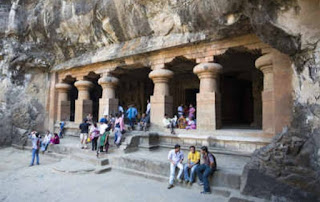
Elephant caves, Maharashtra Located near to the Mumbai City, at only 7 km away on an island can only be reached by ferry rides. There are seven Rock cut caves, have been finally carved and designed by ancient artisians. Dates back to 6th century A.D. The fo due to the erosion of the limestone deposits by The chitravathi River. Belum caves have a length of 3229 and deepest point of 120 feet below the entry level. Belum caves, Andhra Pradesh Second largest natural cave in India. Situated in the belum village of kurnool district, Andhra Pradesh. These are formed due to the erosion of the limestone deposits by the chitravati River. Belum caves have a length of 3229 and deepest point of 120 feet below the entry level. Bhimbetka caves, Madhya Pradesh Situated inside ratapani wildlife sanctuary in madhya Pradesh. It is also a UNESCO world heritage site as it preserves some of the earliest artworks of man-made. It is believed to be the shelter of pandavas of Mahabharata during their time of ex...
Nowadays I hear a lot about suicide. I feel like this is a common disease going on in people. Is suicide the only way to avoid your problems? Can't we solve the problems in another way? My opinion is that the suicide never ends the problem, but ends the life, not only of your own but also some special people related to yourself. Everyone has problems in his life whether they are big or small. Everybody has to face them and also have to fight against them, because it is called life. There is no life without problems. These problems will either drop you a lift you up. It depends on you how you treat them. You have must heard this saying at some time or other - " No one is born happy but everyone is born with the ability to create happiness. " Don't know how many cases of suicide comes everyday. It seems like it become a trend of today's youth. life is too small, everyone has to die one day. So why not we live this life openly, apologize to some and forgive some. Th...
The word yoga is derived from Sanskrit, which means to join/ to unite. Yoga influences us to understand ourselves, the purpose of life and develops a relationship with peace. In 2014, Indian prime Minister Narendra modi suggested the United Nations to celebrate June 21 as the international yoga day, as 21st june is the summer solstice, the longest day of the year in the northern hemisphere. Benefits of yoga Yoga brings together physical and mental disciplines to achieve a peaceful body and mind. It build strength, flexibility and confidence. It helps to manage stress and anxiety and keeps you relaxing. Promotes self healing. It helps for inner peace. Helps in attention, focus and concentration. Practicing yoga helps in controlling an individual's mind, body and soul. It can help lose weight, release stress, improve immunity and maintain a healthy lifestyle. Regular yoga practice creates mental clarity and calmness, increases body awareness, relieves chronic stress. It helps relaxin...


Comments
Post a Comment